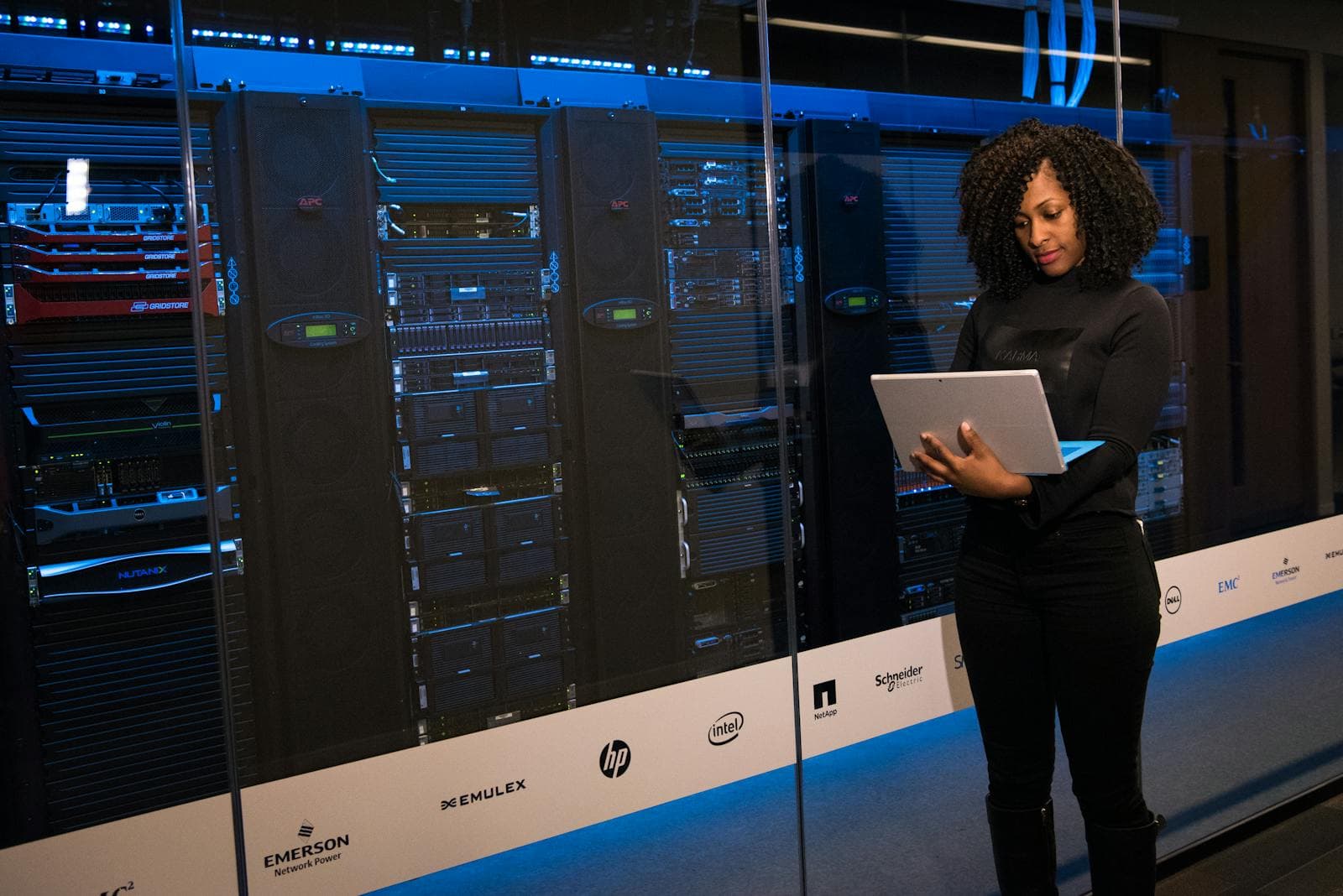
One of the clearest infrastructure signals in early 2026 is that datacenter control matters again. This is not nostalgia for racks. It is a response to operating reality: teams still need clear ownership over identity boundaries, predictable latency, patch windows, backup paths, and the failure domains around business-critical workloads. The cloud-only argument looks weaker whenever those concerns matter more than generic platform slogans.
VMware is the clearest example. On August 6, 2025, VMware positioned Cloud Foundation 9.0 as a platform for traditional applications, which is effectively an argument for a more standardized private-cloud control plane inside the datacenter. Then on January 31, 2026, The Register reported further turbulence around Broadcom's VMware cloud partner program. Those two signals point in the same direction: virtualization is no longer just a feature comparison. It is a decision about supplier stability, workload placement, and how much operational dependency a team is willing to accept.

Microsoft is sending a similar message from a different angle. SQL Server 2025 continues to receive serious investment for on-premises and hybrid estates, including changes that matter to teams still running core data platforms in controlled environments. PowerShell Desired State Configuration is also moving forward; the DSC 3.1.0 changelog published on June 18, 2025 is a reminder that repeatable server configuration and declarative administration are still active concerns, not legacy leftovers. Vendors do not keep shipping those capabilities if local operating responsibility has stopped mattering.
Backup reinforces the same point. Veeam's build matrix shows Backup & Replication 13.0.1 P1 on January 6, 2026, which is a small detail until you look at it operationally. Recovery platforms only stay credible when teams maintain version discipline, patch deliberately, and know exactly where protected data lives. In other words, backup is another control problem. A datacenter strategy that treats recovery as passive insurance instead of an owned operating function is already behind the real risk.
That is why the current return of private-cloud and datacenter language should be read carefully. The useful question is not whether on-premises is winning again. The useful question is which workloads still need tight control over performance, identity, recovery, and change windows, and which platforms let a team support those demands without adding avoidable complexity. In 2026, datacenter control matters again because the environments that carry real responsibility still need an operating model that can be patched, automated, explained, and restored under pressure.