The useful infrastructure strategy story in early May 2026 is not that workloads are simply moving back on-premises. It is that private infrastructure is being reframed as an operating boundary. Broadcom announced VMware Cloud Foundation 9.1 on May 5 with production AI, Kubernetes, mixed compute, security, and fleet operations under one private-cloud platform. IBM made Sovereign Core generally available the same day, centered on control plane, identity, compliance evidence, and AI execution inside sovereign environments. Microsoft had just expanded Azure Local so sovereign private cloud deployments can scale from hundreds to thousands of servers.
Those announcements come from different vendors, but they point at the same design pressure. AI workloads are not just consuming more compute. They are creating questions about where prompts, models, inference results, logs, identities, secrets, audit trails, and operational decisions actually live. Once those questions matter, private cloud stops being a nostalgic hosting label and becomes a boundary that has to be operated, patched, governed, and proven.
The older private-cloud mistake was to copy public-cloud language while leaving day-two operations fragmented underneath. A portal in front of inconsistent storage, uneven patching, unclear ownership, and weak audit evidence is not a platform. It is another interface. The newer vendor language is more operational because it talks about fleet upgrades, local policy enforcement, in-boundary identity, continuous compliance, disconnected operations, and governed AI execution. Those are not cosmetic features when regulators, boards, and incident teams ask what the environment can actually prove.
This matters especially for agentic and inference-heavy systems. TechRadar's April 30 analysis framed the shift toward hybrid and local AI around cost, performance, and governance pressure, and that reading matches the vendor movement. Always-on agents, internal copilots, retrieval pipelines, and sensitive analysis workflows can turn every design shortcut into recurring cost or exposure. The cloud still has a role for burst, managed services, and large-scale training, but the steady-state AI estate needs a placement model that reflects data gravity, latency, sovereignty, and recovery expectations.
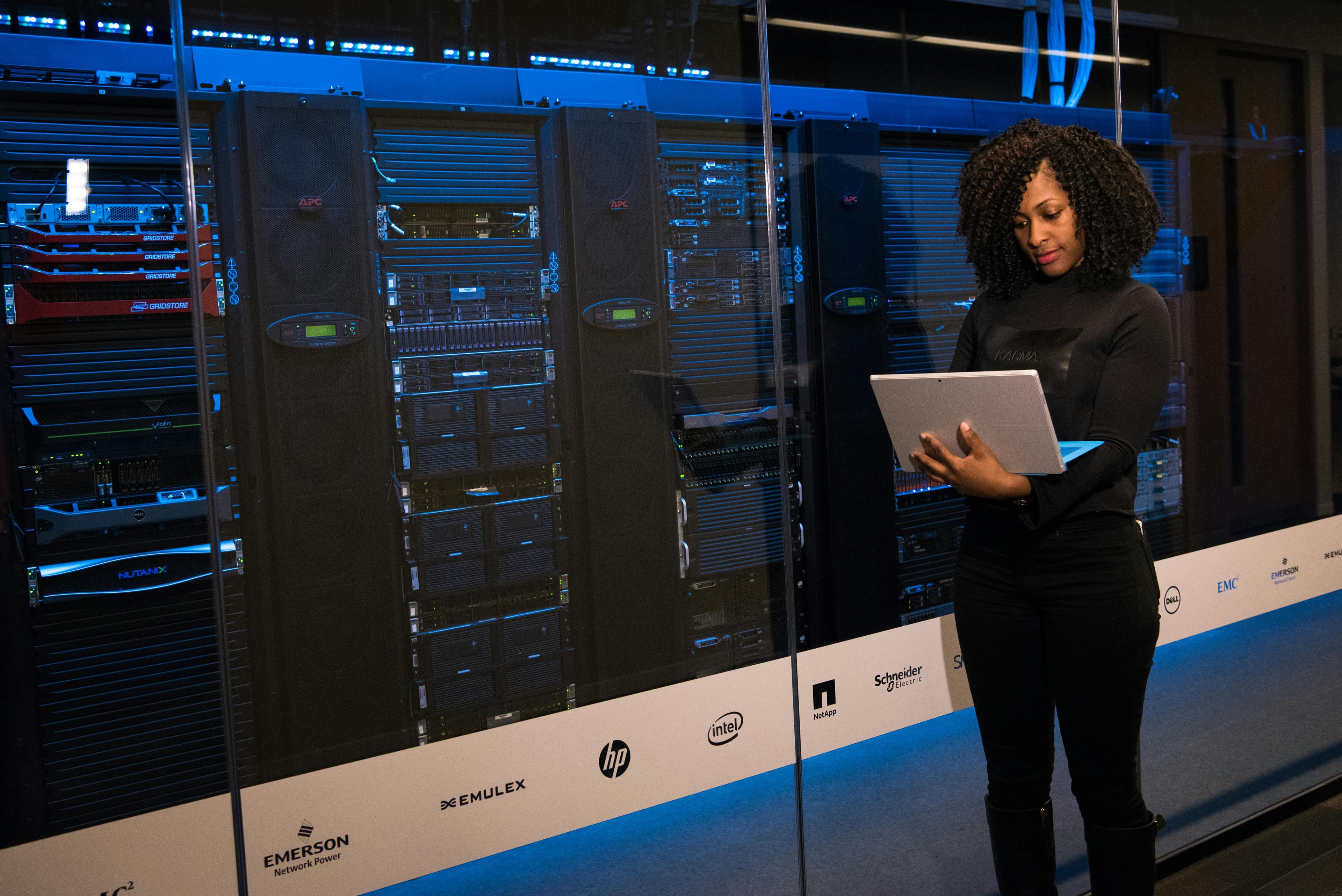
For infrastructure teams, the strategic question is therefore not whether to choose public cloud or private cloud as an ideology. The better question is which operating boundary each workload needs. A regulated inference service may need local identity, local logging, and local evidence. A broad analytics workflow may need elastic cloud services. A traditional application may need stable virtualization and predictable backup integration. Treating all of those as the same placement problem is how strategy turns into cost drift and operational ambiguity.
The practical takeaway is simple: private cloud deserves attention again only when it is built as an operating model, not as a location. Teams should be able to explain the control plane, lifecycle process, identity boundary, evidence path, backup behavior, and exit options before they call the platform strategic. The latest infrastructure signal is not a retreat from cloud. It is a demand for clearer boundaries around the workloads that now carry AI, regulated data, and production responsibility.