The useful storage trend in 2026 is not a simple move from hard disks to flash. It is a split. AI systems need very fast storage close to accelerators, but they also create and retain enough data that dense, cheaper capacity still matters. That makes storage tiering less of a background procurement topic and more of an operational design decision.
The capacity side is visible in the hard drive market. On April 28, 2026, Seagate reported fiscal third quarter revenue of $3.11 billion and described AI applications as amplifying data creation and sustaining storage demand. Western Digital made a similar argument earlier in the year, announcing a 40TB UltraSMR ePMR hard drive in customer qualification, HAMR scaling plans beyond 100TB, and power-optimized HDD work aimed at AI-scale data. The signal is clear: high-capacity magnetic storage is not disappearing from serious infrastructure.
At the other end of the tier, flash is being pulled closer to compute. Micron said on March 16, 2026 that its 9650 PCIe Gen6 data center SSD was in high-volume production, with up to twice the read performance of Gen5 and better performance per watt. Its product material frames that drive around AI training and inference pipelines, including liquid-cooling options for dense systems. That is not the language of generic server storage. It is storage being designed around data movement, thermal limits, and GPU utilization.
For enterprise teams, the mistake is to read those announcements as a product contest. The better lesson is that storage architecture now has to describe data temperature, access pattern, retention value, and recovery expectation with more precision. Training data, inference context, database working sets, telemetry, backups, archives, and compliance copies do not belong on one undifferentiated tier just because the dashboard can show one namespace.
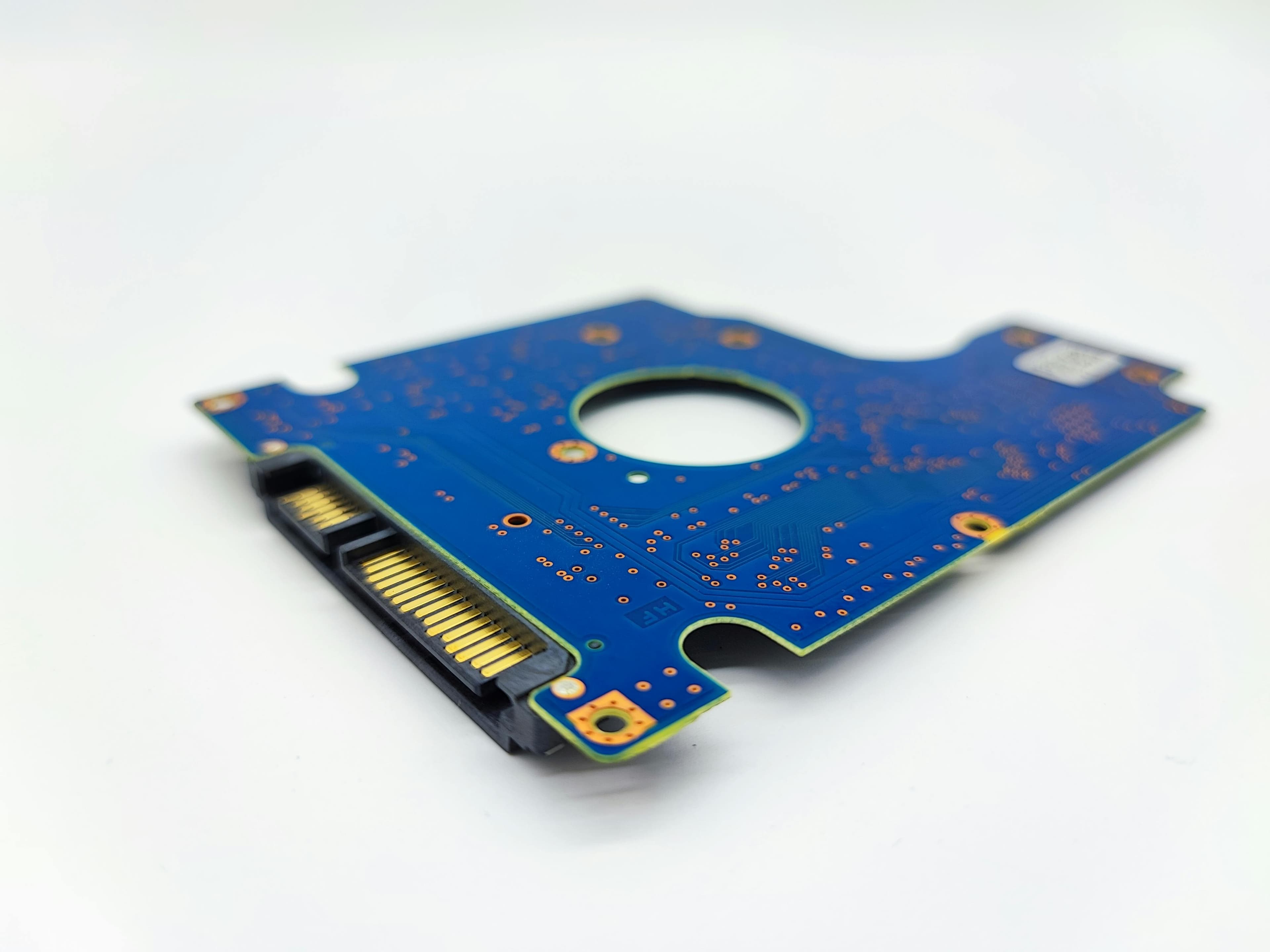
This also changes lifecycle planning. If AI demand is tightening HDD supply and high-end SSDs are being optimized for specialized accelerator platforms, late procurement becomes an operational risk. Teams need to know which workloads require low-latency flash, which can sit on dense capacity, which data must be protected immutably, and which copies can age out. Without that discipline, storage cost and availability will start making architecture decisions by accident.
The practical takeaway is straightforward: storage tiering should be reviewed as part of infrastructure strategy, not after the compute design is finished. Good designs will keep hot data close to the workload, warm data economical, protected data recoverable, and old data governed instead of merely accumulated. In 2026, the teams that can explain those paths clearly will have more control than the teams that only ask for more terabytes.