
If you strip away the AI marketing layer, the hottest operational topic in IT right now is power. Not prompts, not model benchmarks, and not another agent framework. The real issue is that AI infrastructure is pushing physical limits back into the center of architecture work. Data Center World opened on April 20, 2026 with sessions centered on 1 MW rack designs, liquid cooling, and gigawatt-era planning, which tells you where the real pressure sits. The industry is no longer talking about AI as a software feature alone. It is talking about power delivery, thermal design, and how fast new capacity can actually be brought online.
That shift matters because it changes the first question infrastructure teams have to ask. The question is no longer only which model or platform to use. The question is whether the target environment can supply the electricity, cooling, network design, and operational support that dense AI workloads require. In its Electricity 2026 outlook, the IEA tied rising data center demand directly into stronger global electricity growth through 2030. The U.S. Department of Energy is making the same point in more direct terms, warning that data centers could consume up to 9% of total U.S. electricity demand by 2030. Those are not side notes. They are design constraints.
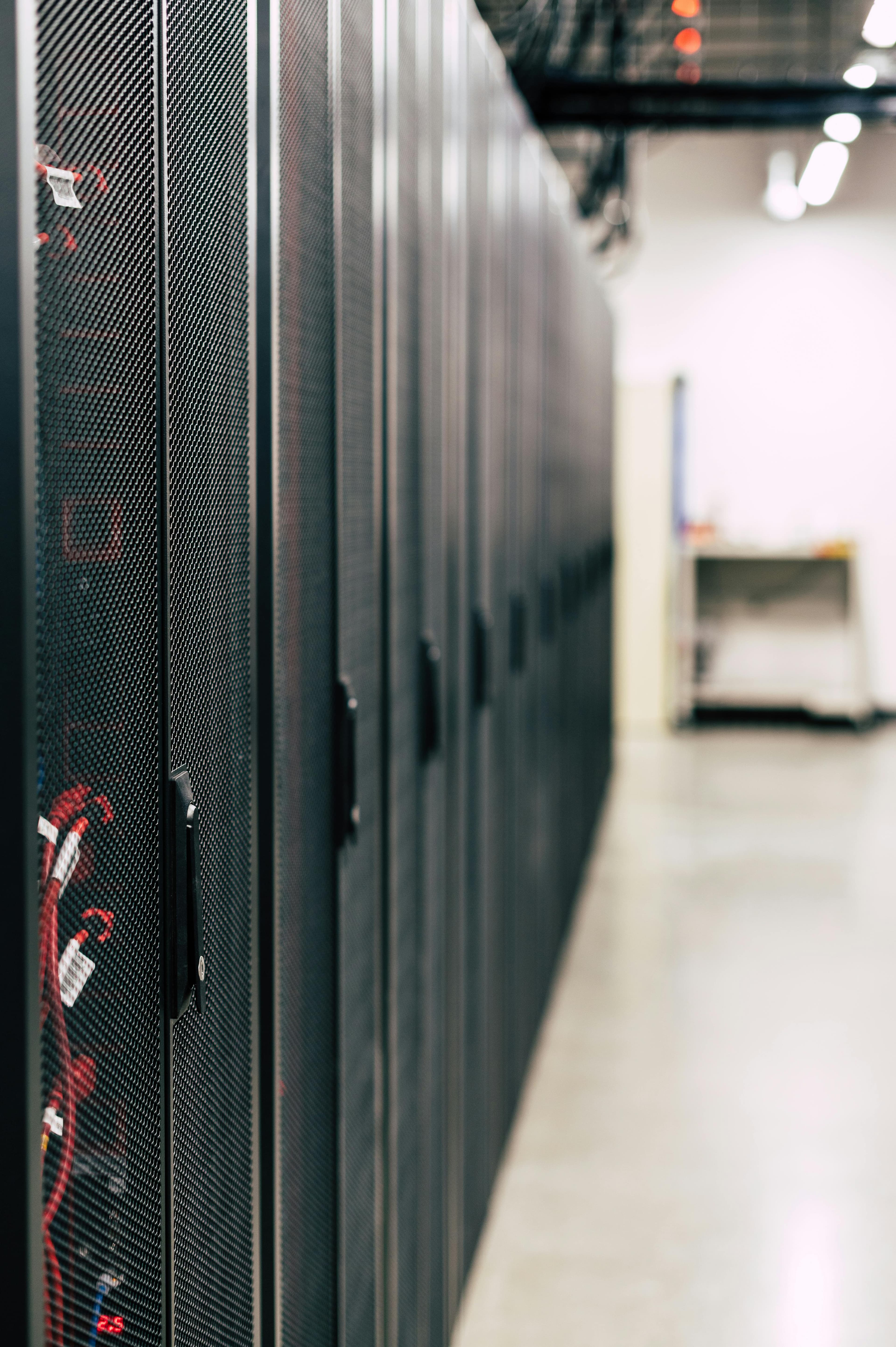
The permitting side is moving just as fast. On April 14, 2026, Maine lawmakers sent LD 307 to the governor's desk, proposing a temporary limitation on permits for data centers at 20 megawatts or more until November 1, 2027 while the state studies grid, ratepayer, and environmental impact. Whether similar policies spread or not, the signal is already clear: power access and local approval are becoming part of the deployment path. That is a major change for anyone still talking about AI capacity as though it can be provisioned like another virtual cluster inside an existing estate.
For enterprise teams, this pushes workload placement back into serious discussion. Not every workload belongs inside an AI-optimized footprint, and not every datacenter can absorb high-density compute without collateral damage to backup windows, cooling margins, or recovery assumptions. The operational mistake is to treat AI as an overlay that can simply be added to the current platform. In reality, dense compute changes rack design, power redundancy, facility planning, and often the economics of where a workload should live in the first place. That makes AI infrastructure a strategy problem long before it becomes a tooling problem.
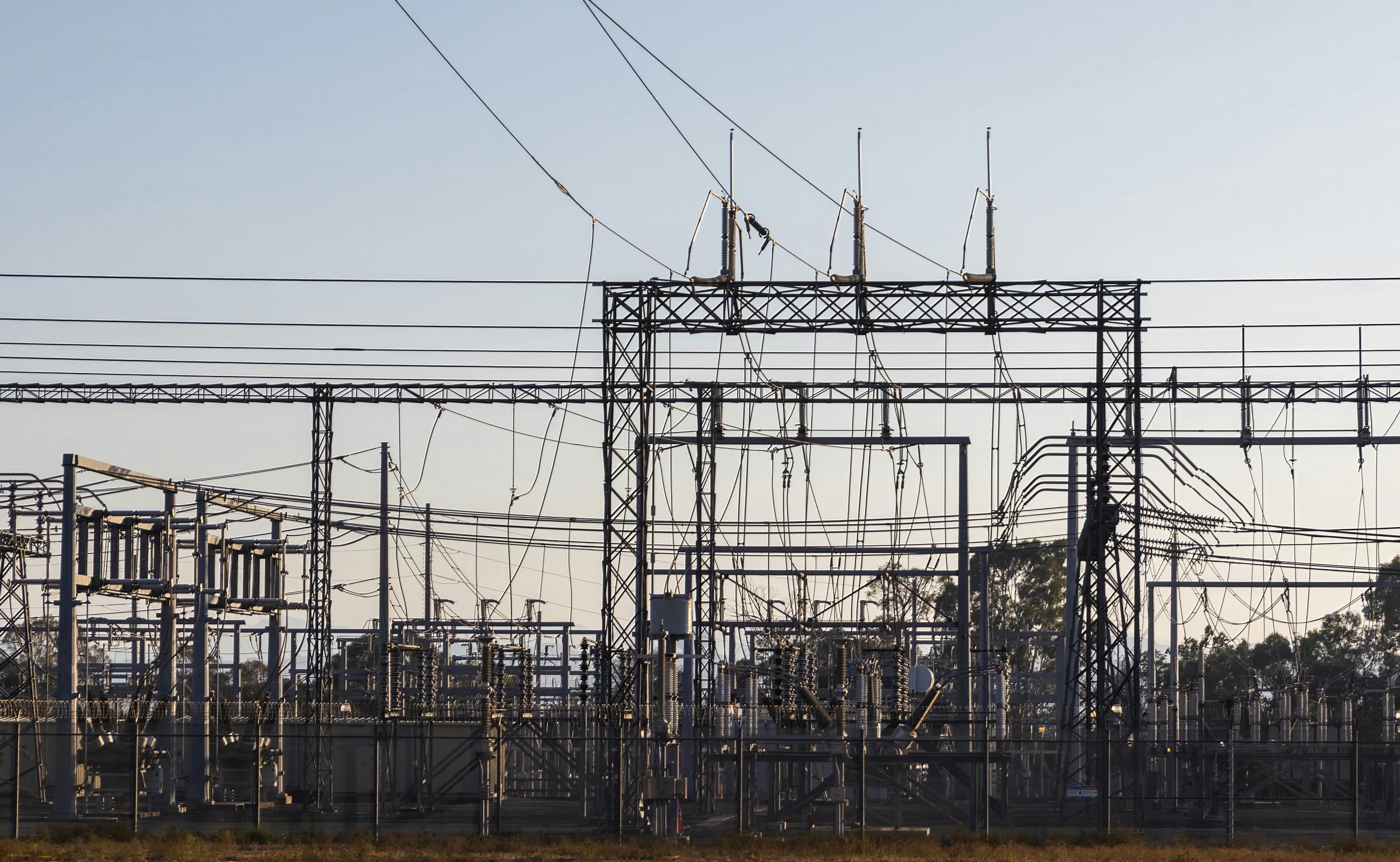
The practical takeaway is that the current AI boom should be read as an infrastructure story first. The useful teams will not only ask what model they want to run. They will ask where the power comes from, what the cooling envelope looks like, how fast capacity can be deployed, and which workloads still deserve tighter control in conventional estates. In April 2026, the loudest topic in IT is AI. The harder and more useful truth is that power has become the real platform limit underneath it.